Start outside the venue boundary
The first access problem may occur well before the water. An arrival road can be suitable for ordinary visitors but unable to accommodate several teams unloading at once. Walk the approach from the public road, identify turning restrictions and check whether a queue would obstruct residents, buses or emergency vehicles. A good arrival plan includes a holding location and a clear instruction for teams that reach the venue before unloading opens.
Draw separate routes for pedestrians, team vehicles, delivery vehicles and emergency response. Where separation is not possible, identify a controlled crossing or a timed movement window. Do not rely on a volunteer improvising in a blind corner. Record who controls each interface, how they communicate and when the arrangement changes between practice, competition and departure. A simple plan used consistently is more useful than a detailed drawing no one can interpret.
Walk the route with realistic equipment
Measure access in operational terms. Can a loaded tackle trolley turn at the gate? Does the route remain firm after rain? Is the final descent to the bank manageable without people carrying equipment across a live vehicle lane? Check resting points, steep sections, steps, crossfalls and narrow passages. Include the return journey: fatigue, darkness and wet equipment can make the same route more demanding after a long session.
Accessibility should be considered across the complete journey, including booking information, parking, toilets, registration, briefing areas and competition positions. Avoid describing a venue as accessible on the strength of one ramp. Ask users about their requirements and arrange a competent assessment where necessary. ISO 21542 provides built-environment accessibility context, while national requirements and the actual site determine what must be provided. An alternative route must be clearly explained and genuinely usable.
Treat pontoons as engineered structures
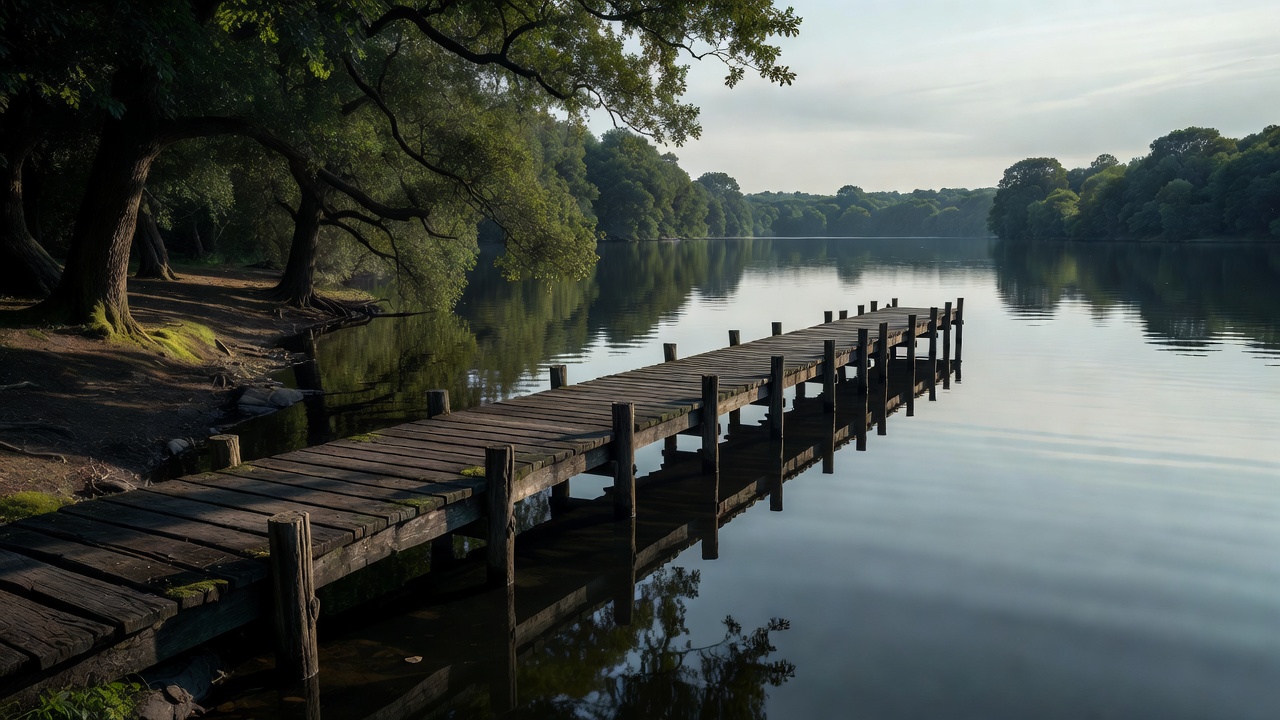
A pontoon’s apparent size says little about its safe operating capacity. Obtain the owner’s documentation for loading, anchoring, freeboard, inspection and permitted use. Consider concentrated loads from anglers, tackle, stewards and spectators, not just an evenly distributed crowd. Changes in level can affect gangway gradients and the connection to shore. Temporary additions should be reviewed by competent people rather than adapted informally on competition morning.
Edge protection, rescue equipment and safe working procedures need a risk-based decision consistent with local requirements and the discipline. Water safety is not solved by placing a lifebuoy on a fence. Establish who can carry out a rescue, how they will be alerted and how a casualty reaches medical support. The German Life Saving Association, DLRG, and the RNLI provide useful water-safety education, but their general guidance does not replace an event rescue plan.
A route is only dependable if it still works when the venue is wet, busy and under pressure.
Utilities must serve the operating footprint
Position drinking water, toilets, handwashing and waste points where participants can use them without breaching competition boundaries. Confirm servicing access and accessible provision. Temporary power needs competent design, suitable protection from water and controlled cable routes. Charging areas for radios or equipment should not become public trip hazards. The UK Health and Safety Executive’s event guidance offers useful planning prompts; German venues must follow the applicable German requirements and competent local advice.
Document who is responsible for temporary installations and when inspections occur. DGUV publications and the German workplace rule ASR A1.8, concerning traffic routes within its scope, are useful references for relevant workplace planning. They are not universal dimensions for every outdoor competition path. Translate the applicable requirements into a site drawing, with supplier responsibilities and inspection records attached.
Plan departure and restoration
The access plan is incomplete until the last team leaves. A simultaneous departure can reverse the morning’s pedestrian flow and create congestion around storage areas. Use staged collection where needed, keep emergency access available and protect the public from reversing vehicles. Provide a safe process for retrieving equipment after a weather suspension, when people may be moving urgently and normal routines have already broken down.
Finally, agree how the site will be handed back. Inspect banks, remove temporary markings, recover cable protection and check for litter or damage beneath storage areas. Prevent washing or refuelling activity from contaminating the water. Record photographs before and after occupation, and assign any repair actions to a named person. Good shoreline infrastructure leaves a usable public and ecological setting after the competition has gone.